
Store Design and Roll-out
— OUR SERVICES
Franchise Roll-out
Franchise rollout is the point where planning becomes reality. It is the stage where documentation, training, support systems, and operational readiness must come together — in real operating environments, with real people, under real commercial pressure. Getting rollout right is what separates structured growth from chaotic expansion.
What Franchise Rollout Includes
A well-managed rollout typically includes launch planning, franchisee onboarding, system setup, readiness checks, and early-stage operational support. It is the bridge between the franchise model you have built and the network you are growing — and it requires the same rigour as the development stages that came before it.
Why Rollout Planning Matters
Businesses that launch without structured rollout planning often find that their systems cannot keep pace with expansion. Inconsistencies emerge, franchisee confidence suffers, and brand standards slip. A structured rollout approach improves preparedness, reinforces accountability, and gives the franchisor greater control during the most vulnerable phase of a new location’s life.
Launch Preparation
Before any new location opens, the systems, documentation, training, and support mechanisms must be aligned and ready. Franchise growth should not outpace the framework designed to support it. Strong launch preparation creates more control, more consistency, and a more stable foundation for each new site.
Opening Phase Support
The early weeks of a new franchise location are critical. Franchisees are applying new knowledge in a live environment for the first time, and operational vulnerabilities are most likely to surface during this period. Structured onboarding and early-stage support help reinforce standards, address issues quickly, and set the location up for longer-term success.
Store Design and Planning
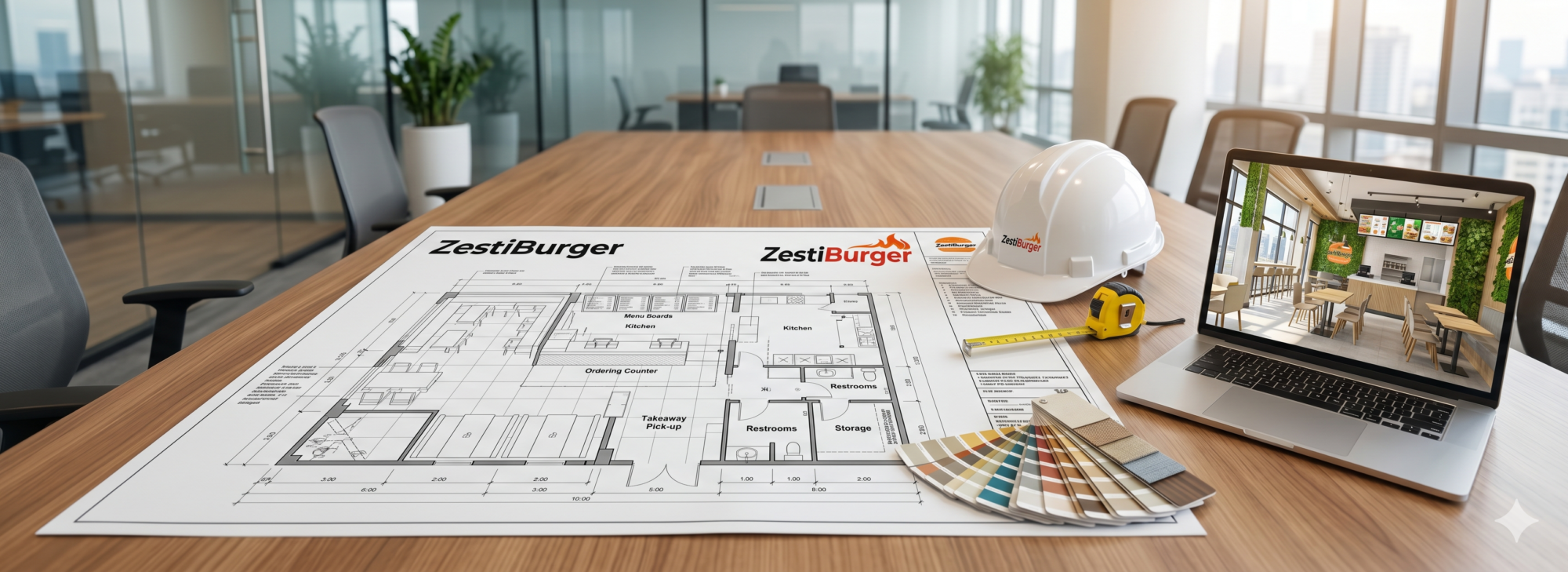
When a franchisor rolls out a new store, there are certain procedures involved, including the submission of plans to the municipality for approval. The specific requirements and processes can vary depending on the location and local regulations. Here is a general overview of the typical steps involved and the plans that may be required.
Municipality Plan Submission
Site Plan
A site plan shows the location and layout of the proposed store on the property, including details such as entrances, parking areas, landscaping, and utilities.
Architectural Plans
These plans detail the design and layout of the store’s interior and exterior, including dimensions, materials, and finishes — floor plans, elevations, sections, and construction details.
Structural Plans
Structural plans outline the building’s structural components — foundations, walls, beams, and columns — ensuring they meet safety standards and comply with local building codes.
Electrical and Plumbing Plans
These plans provide details of the electrical and plumbing systems within the store, including wiring, outlets, lighting, HVAC systems, water supply, drainage, and restroom facilities.
Fire Safety Plans
Fire safety plans specify the location and types of fire safety equipment — fire alarms, extinguishers, sprinkler systems, and emergency exits — ensuring compliance with local fire codes.
Accessibility Plans
These plans ensure the store’s accessibility for individuals with disabilities, including ramps, parking spaces, and accessible restrooms, in compliance with applicable accessibility guidelines.
Utilising Subcontractors to Build the Store
Project Management
Hire a qualified project manager who can oversee the construction process, manage subcontractors, and ensure the project stays within budget and on schedule.
Contractor Selection
Identify and select reputable subcontractors with experience in commercial construction. Obtain multiple bids from contractors to compare prices and evaluate their track record.
Contracts and Agreements
Clearly define the scope of work, timelines, payment terms, and other relevant details in written contracts with subcontractors to establish expectations and protect all parties involved.
Regular Communication
Maintain open and regular communication with subcontractors to track progress, address any issues or delays promptly, and ensure all parties are aligned on project goals.
Quality Control
Implement a quality control process to ensure that construction work meets the required standards and specifications. Conduct inspections at key stages to identify and rectify any deficiencies.
Budget Management
Continuously monitor project expenses and track costs against the allocated budget. Address any cost overruns promptly and seek cost-effective alternatives when possible.
Timelines and Scheduling
Develop a detailed project schedule in collaboration with subcontractors, allowing for dependencies and sequencing of tasks. Regularly monitor progress to ensure the project stays on track.
Frequently Asked Questions
What does franchise rollout involve?
Launch planning, franchisee onboarding, system setup and configuration, readiness checks, and operational support during the opening phase.
When should rollout planning begin?
Well before the launch date — systems, people, and documentation all need to be aligned and ready before expansion moves into live environments.
How do you reduce launch risk?
Through structured rollout planning that improves preparedness, clarifies responsibilities, reinforces standards early, and ensures the right support is in place from day one.
What happens during franchise rollout?
Franchise rollout is the process of preparing and launching new franchise locations by aligning documentation, training, systems, support structures, and operational readiness before and during opening. A well-managed rollout reduces inconsistency, improves franchisee preparedness, and creates a more stable, controlled foundation for network growth.
“Architecture is not just about creating spaces, but about crafting experiences that inspire, uplift, and enhance lives.”
Need to register your Franchise at the Banks?